
What is somatics?
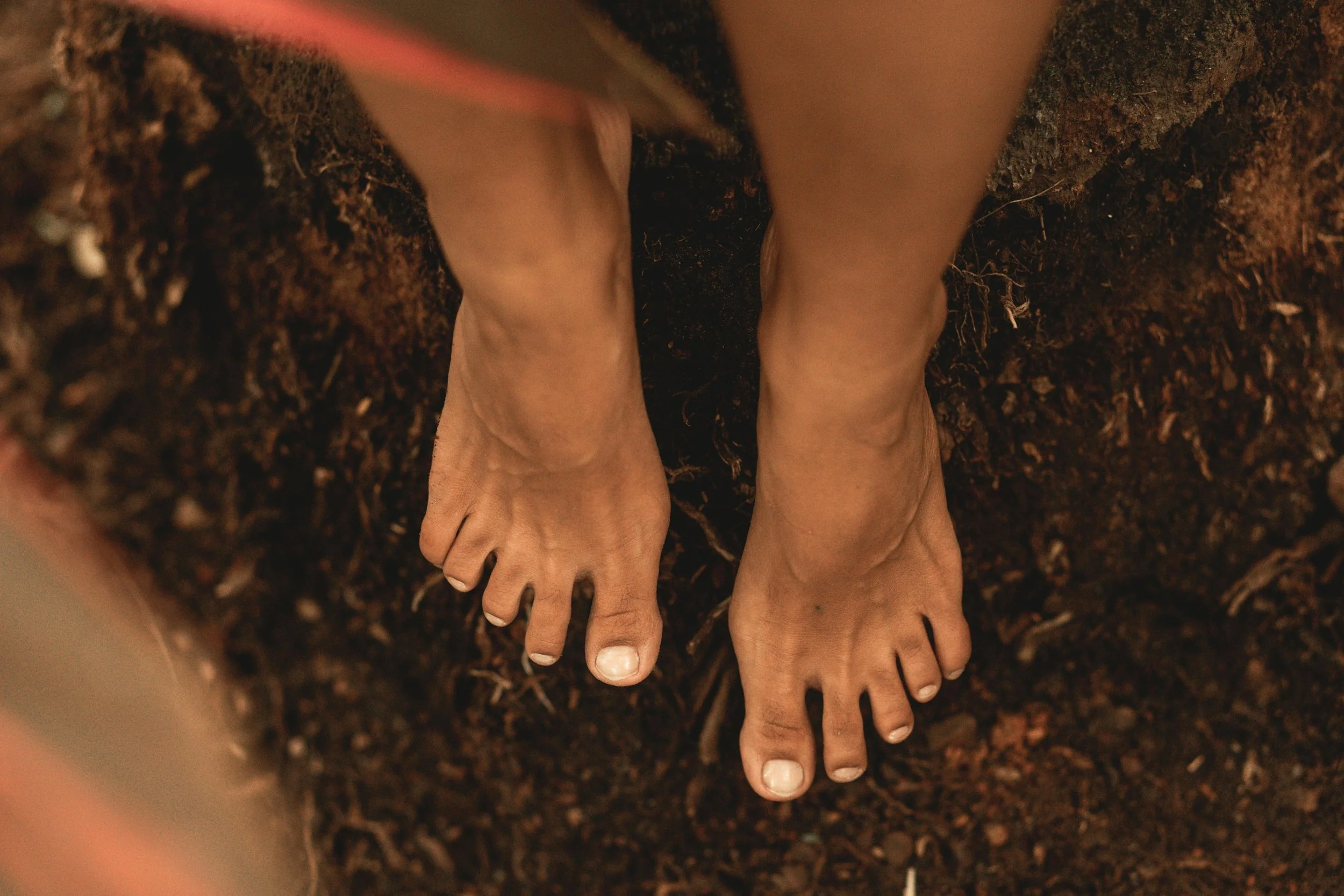
This piece lives in conversation with poems like The Invitation, which have long inspired me — a free-flowing reflection through the language of the body, nervous system, dignity, and becoming.
It is shaped by an event I attended on disability justice, with a room of people sharing so close to their hearts about fear, longing, learned self-protection, death, love, and community. What a special space the speakers created — definitely check them out (learn more).
Somatics (the study and field of learning about the body in its entirety), for me, is all of these parts and so much more than any single definition can hold. Notice what feels uncomfortable, and what you’re curious about.
Think of them as little nuggets to pull out and sit with.
Take in what you find helpful.
What is somatics — but a coming back to ourselves over and over again
As we grow our shell, peel back another layer, and learn to embrace stillness, okayness, and satisfaction.
It is an acknowledging that this work comes from ancestral and cultural ways of caring for bodies, land, and one another.
Many of these ways of caring were interrupted and taken from communities across history.
It is a learning we have a nervous system shaped by our lives — by both tender and hard moments —
and that we can orient toward repeating familiar patterns or toward more supportive ones.
It is a holding compassion for our constraints, and feeling into how we can expand our limits — sit with discomfort, and move with fear.
It is a growing our capacity to believe we are so holy, and so deserving of our needs to be met.
A building our capacity — to return to ourselves, over and over,
with more softness, more courage, more slowness.
One moment of centering ourselves, one breath, one cry, one vulnerable share, one pause at a time.
It is a way our breath holds the story of what we’ve lived through,
and the quiet miracle that, drop-by-drop, our body has been nourishing us all along.
It is a realizing we have a body that may still be largely unfamiliar to us —
with needs, longings, and urges which can contradict.
A witnessing the way you might feel uneasy over your own shame, mistakes, grief, and avoidance.
An acknowledging your constant attempts and failures to express your needs.
It is a seeking guidance from indigenous ways, disability justice, queer movements, and Black and brown movements for liberation and joy.
What is somatics — but a settling into a knowing that others feel aloneness and fear too
So this reorienting can feel like extra work,
like you wish it was supported more by your environment, and that it felt easy…
when in practice it is often about small shifts we are already making,
and we can let it become easier.
By: Sarah Rimmel
May all we face and move through become more normalized. As Resmaa Menakem says, we are not defective.